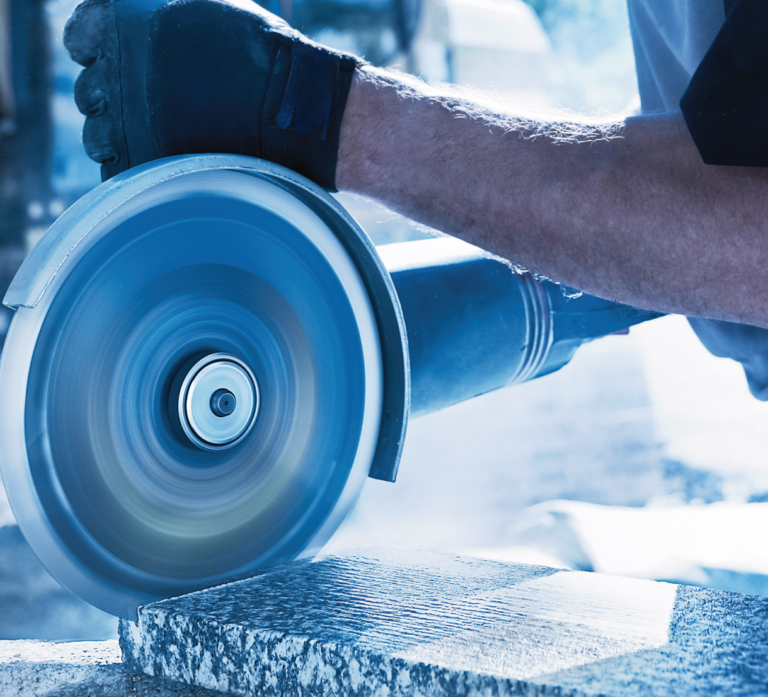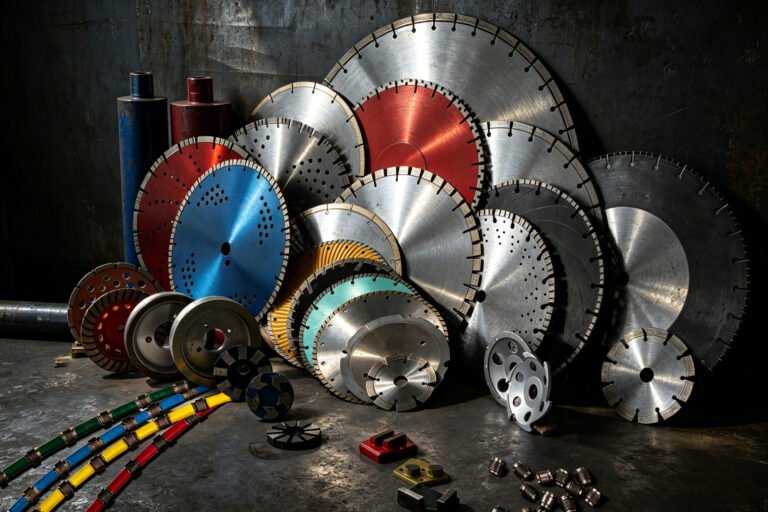
When it comes to grinding, smoothing, or shaping hard materials like concrete, stone, or masonry, few tools are as essential as the diamond cup wheel. A specialized abrasive tool, it gets its name from its cup-like shape—with industrial diamond particles embedded in its working surface. These diamonds, the hardest known material, make the cup wheel uniquely suited for tackling tough, abrasive surfaces that ordinary grinding tools can’t handle. Below, we break down exactly what a diamond cup wheel is used for, its key applications, and why it’s a staple in construction, stoneworking, and renovation projects.
What Is a Diamond Cup Wheel, Exactly?
Before diving into its uses, let’s clarify what a diamond cup wheel is. Unlike traditional grinding wheels (which use sandpaper or metal abrasives), a diamond cup wheel features a circular, cup-shaped base (usually made of steel) with diamond segments bonded to the rim. The “cup” design allows for full contact with flat or slightly curved surfaces, making it ideal for surface grinding and finishing. The diamond particles are what set it apart—they retain their sharpness even when grinding hard, dense materials, ensuring consistent performance and a long lifespan.
Main Uses of a Diamond Cup Wheel
The primary purpose of a diamond cup wheel is surface grinding, polishing, and material removal on hard, non-metallic surfaces. Its design and diamond construction make it perfect for tasks that require precision, efficiency, and a smooth finish. Here are its most common uses:
1. Concrete Grinding and Smoothing
One of the most common applications of a diamond cup wheel is grinding concrete surfaces. Whether you’re preparing a concrete floor for tiling, removing uneven spots, or smoothing rough concrete after pouring, a diamond cup wheel gets the job done. It effectively grinds down high points, removes surface imperfections (like bumps or rough edges), and creates a level, smooth base for flooring, coatings, or paint. It’s also used to grind concrete walls and countertops to achieve a uniform finish.
2. Removing Coatings, Paint, and Rust
Diamond cup wheels are excellent for stripping unwanted coatings from hard surfaces. This includes old paint, epoxy, adhesive, or rust from concrete, stone, or metal surfaces (though they’re most commonly used on non-metallic materials). The diamond segments cut through these coatings cleanly without damaging the underlying surface, making them ideal for renovation projects where you need to restore a surface to its original state.
3. Stone Grinding and Polishing
In stoneworking, diamond cup wheels are used to grind and polish natural stone like granite, marble, quartz, and limestone. They smooth rough stone surfaces, shape edges, and prepare stone slabs for countertops, tiles, or decorative elements. For example, after cutting a granite slab with a diamond blade, a cup wheel is used to grind the edges and surface to a smooth, polished finish. They can also be used to remove scratches or stains from stone surfaces.
4. Masonry and Brick Work
For masonry projects, diamond cup wheels grind and smooth brick, block, and mortar. They’re used to shape brick edges for a precise fit, remove excess mortar from brick walls, or smooth rough masonry surfaces before painting or sealing. They’re also useful for grinding down uneven masonry after construction, ensuring a neat, professional look.
5. Edge Grinding and Beveling
Diamond cup wheels are often used to grind and bevel edges of concrete, stone, or tile. This is especially useful for projects like countertop edges, tile edges, or concrete steps, where a smooth, rounded, or beveled edge is desired. The cup shape allows for precise control over the edge, ensuring a consistent angle and finish.
How to Use a Diamond Cup Wheel
Diamond cup wheels are typically used with an angle grinder—one of the most common power tools in construction and DIY. Here’s a quick overview of how to use them:
-
Attach the cup wheel to a compatible angle grinder (check the wheel’s size to ensure it fits).
-
For wet grinding (recommended for most projects), use a water source to cool the wheel and reduce dust. Wet grinding also extends the wheel’s life and creates a cleaner finish.
-
Hold the grinder at a slight angle (5–10 degrees) to the surface, and move it in slow, even passes. Avoid applying too much pressure—let the diamond segments do the work.
-
For polishing, switch to a finer-grit diamond cup wheel after rough grinding to achieve a smooth, shiny finish.
Why Choose a Diamond Cup Wheel Over Other Grinding Tools?
Ordinary grinding wheels (like those made of aluminum oxide) wear down quickly when used on hard materials like concrete or stone. Diamond cup wheels, however, offer several key advantages:
-
Durability: Diamond particles are extremely hard, so the wheel lasts much longer than traditional abrasive wheels.
-
Efficiency: They grind faster and more smoothly, reducing the time and effort needed for tough jobs.
-
Precision: The cup design ensures even contact with the surface, resulting in a uniform finish.
-
Versatility: They work on a wide range of hard materials, from concrete to stone to masonry.
Conclusion
In short, a diamond cup wheel is a versatile, high-performance tool designed for grinding, smoothing, and shaping hard surfaces. Whether you’re a professional contractor working on a construction site, a stone fabricator creating custom countertops, or a DIY enthusiast tackling a home renovation, a diamond cup wheel is indispensable for achieving clean, precise, and long-lasting results. Its ability to handle the toughest materials with ease makes it a must-have in any toolbox for hard-surface work.